
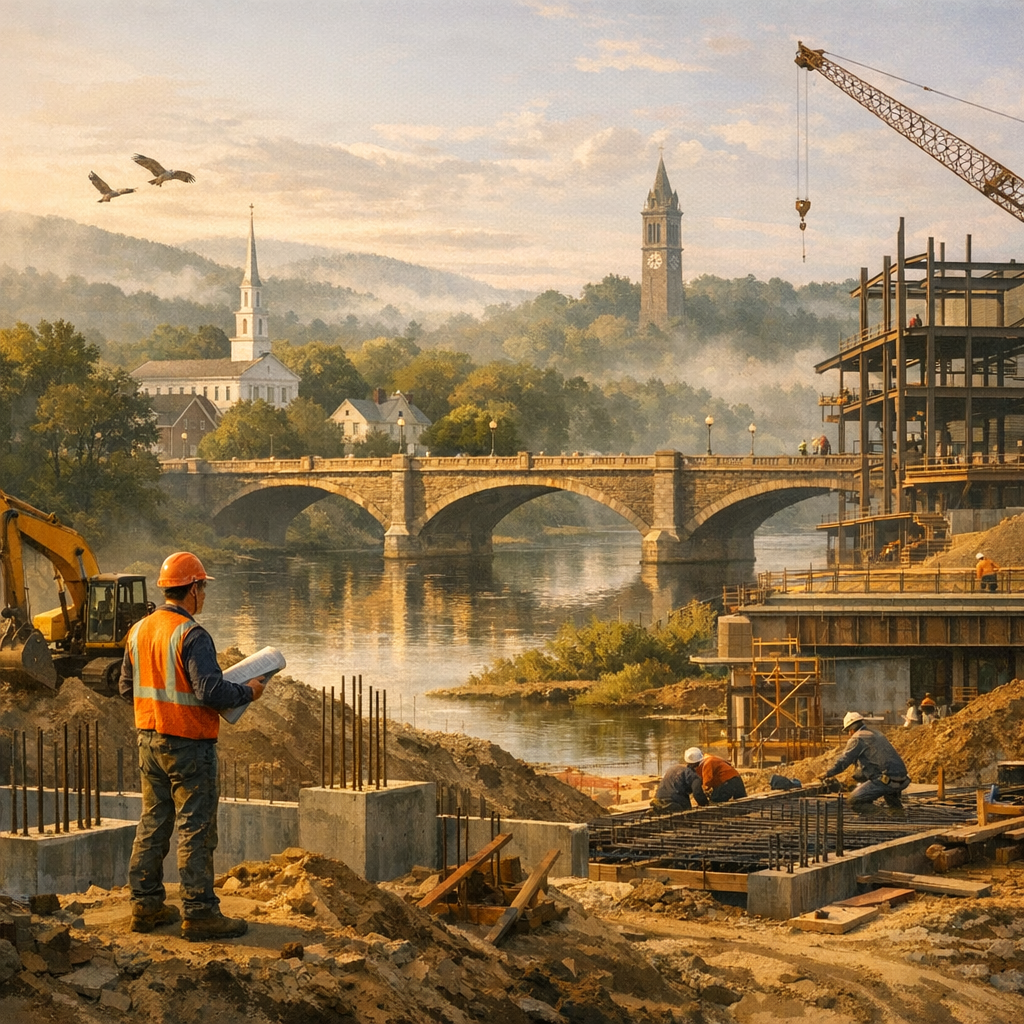
The Visage of Connecticut's Architectural Grandeur
The architectural landscape of Connecticut, indeed, is a captivating symphony of style, innovation, and history. Like a grand maestro, it masterfully orchestrates a harmonious convergence of traditional and contemporary notes. Within this architectural ensemble, the quaintness of the past does not conflict with the sleekness of the present. Instead, they blend seamlessly under the Connecticut sky, thus crafting a unique character that is as timeless as it is captivating.
Regulation and Code in Connecticut's Construction
- 1. Comprehensive exploration of the multifaceted regulations and codes that direct Connecticut's construction sector.
- 2. Overview of the penalty system wherein those who contravene these codes are subjected to punitive measures.
- 3. Explanation of the crucial role played by state and local bodies in upholding these building codes.
- 4. Review of the process of regular code updates, indicating an adaptive regulatory system.
- 5. Reflection on the influence these codes have on public safety amidst the state's construction activity.
- 6. Analytical commentary on the future trajectory and implications of Connecticut's construction regulations, amidst an ever-evolving industry and socio-political climate.
Connecticut's Renowned Architects and Their Creations
1. Connecticut, a state steeped in history, boasts an array of architectural masterpieces, serving as timeless reminders of the past. 2. Theodate Pope Riddle's contribution to this landscape is apparent in the Hill-Stead Museum, a testament to her architectural prowess. 3. The Glass House by Philip Johnson, amidst a bounty of architectural gems, signifies a leap into modernistic design, set beautifully within Connecticut's natural setting. 4. The architectural firm of Skidmore, Owings & Merrill has undeniably left its signature on Connecticut's landscape, with the Beinecke Rare Book & Manuscript Library as a shining example. 5. Depicting the endurance of art deco design, Donn Barber's Travelers Tower stands as an enduring edifice against the ebb and flow of architectural trends. 6. The Wadsworth Atheneum, fashioned by various architects over time, bears testament to the universal appeal of timeless design, its purpose as an art gallery a testament to this. 7. Albeit the distinct styles in Connecticut's architecture, one finds a common thread of commitment to the balance of beauty, functionality, and durability in the constructions.
Green Building Practices in the Land of Connecticut
In the fair province of Connecticut, the emerald banner of sustainable construction is unfurled with unmistakable pride. The local sphere of construction is in the throes of a green revolution, wherein the ethos of environmental stewardship is being seamlessly blended with the craft of building. Whilst the journey towards sustainability has not been without its trials, the unwavering commitment to green building has illuminated a path towards a future where construction and conservation can coexist in sublime harmony.
Connecticut Construction: Marching Towards Modernity
A. 1620: From the dust of the unspoiled wilderness, humble early settlements rise. B. 1700s: Tests of time see the rise of robust infrastructure, including shipbuilding endeavours, and roads that carve through the land. C. 1900s: Caught in the sweeping tide of the industrial revolution, factories and industrial workplaces affirm their presence. D. 1930s: Iconic structures like Yankee Stadium rise to prominence, marking a landmark shift towards modernity. E. 2000s: The state embraces the dawn of a new era, prioritizing green and sustainable construction.
Connecticut Construction: An Economic Powerhouse
- The birth of the construction industry in Connecticut: An enlightening journey. 2. Notable edifices and constructors that shaped Connecticut's landscape. 3. The economic contribution of the construction sector to Connecticut's prosperity. 4. The bearing of the roberts construction company on job creation in Connecticut. 5. Construction regulations and standards in Connecticut: A necessary scrutiny. 6. The environmental costs of building: Balancing growth and sustainability in Connecticut. 7. The future of construction in Connecticut: Forecasts and implications.
Construction Education: The Connecticut Way
Connecticut's approach to construction education exudes a profound respect for tradition whilst embracing the waves of modernisation. Learners delve into the depths of classic construction methodologies, exploring the durability and artistry that has stood the test of time. Yet, the curriculum also charts the bold new waters of innovative construction technologies and sustainable practices. Therefore, the academic journey is akin to a masterful dance between the old and the new, each step elegantly choreographed to balance classical wisdom with cutting-edge innovation. Under this curriculum, students are shaped to be not merely constructors, but indeed, craftsmen and guardians of the built environment.
Connecticut Construction: An Odyssey of Challenges and Triumphs
The landscape of Connecticut, in its splendid diversity, has always posed a unique set of challenges to its builders. The evolution of its construction, thus, is a saga of innovation and indomitable perseverance. From the densely wooded highlands to the bustling coastal plains, builders employ both skill and sagacity to create structures that harmonize with the environment whilst commanding admiration. Albeit the challenges are innumerable, these artisans of architecture persist, their triumphs molded in the sinews of every building, bridge, or road that graces this enchanted land.